• Advertise
  • About us
  • Terms and Conditions
  • Contact us
Wednesday, December 17, 2025
Australian Times News
  • News
    • Weather
    • Sport
    • Technology
    • Business & Finance
      • Currency Zone
    • Lotto Results
      • The Lott
  • Lifestyle
    • Entertainment
    • Horoscopes
    • Health & Wellness
    • Recipes
  • Travel
  • Expat Life
  • Move to Australia
No Result
View All Result
  • News
    • Weather
    • Sport
    • Technology
    • Business & Finance
      • Currency Zone
    • Lotto Results
      • The Lott
  • Lifestyle
    • Entertainment
    • Horoscopes
    • Health & Wellness
    • Recipes
  • Travel
  • Expat Life
  • Move to Australia
No Result
View All Result
Australian Times News
No Result
View All Result
Home News

Restoring a gem in the Murray-Darling Basin: the success story of the Winton Wetlands

Damage to rivers and wetlands, including fish kills and algal blooms, has featured prominently in the news.
The Conversation by The Conversation
20-06-2020 01:51
in News
Restoring a gem

Restoring a gem Photo by David Clode on Unsplash

Max Finlayson, Charles Sturt University and Lance Lloyd, Federation University Australia

Water use in the Murray-Darling Basin has long been a source of conflict. Damage to rivers and wetlands, including fish kills and algal blooms, has featured prominently in the news.

Lance Lloyd, Author provided

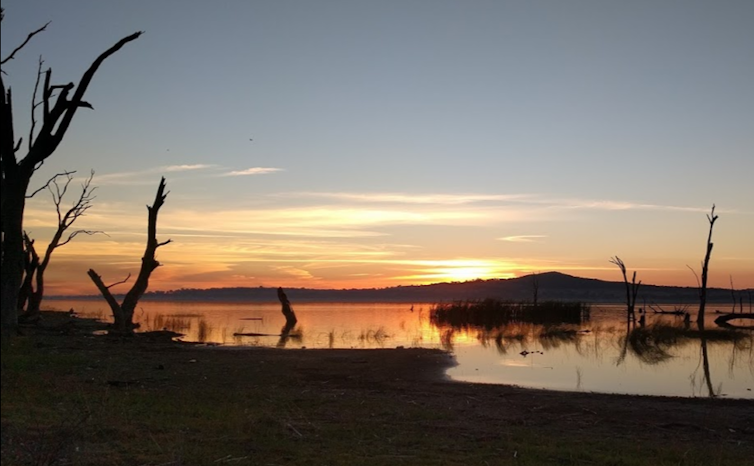
But the Winton Wetlands, in the south-east basin, represents a bright spot. Its restoration provides a sense of hope that reaches beyond the complexities of history.

The wetlands site is about 2.5 hours drive north-east of Melbourne. It’s now a thriving place for plants and wildlife that attracts plenty of visitors – but it wasn’t always like this.
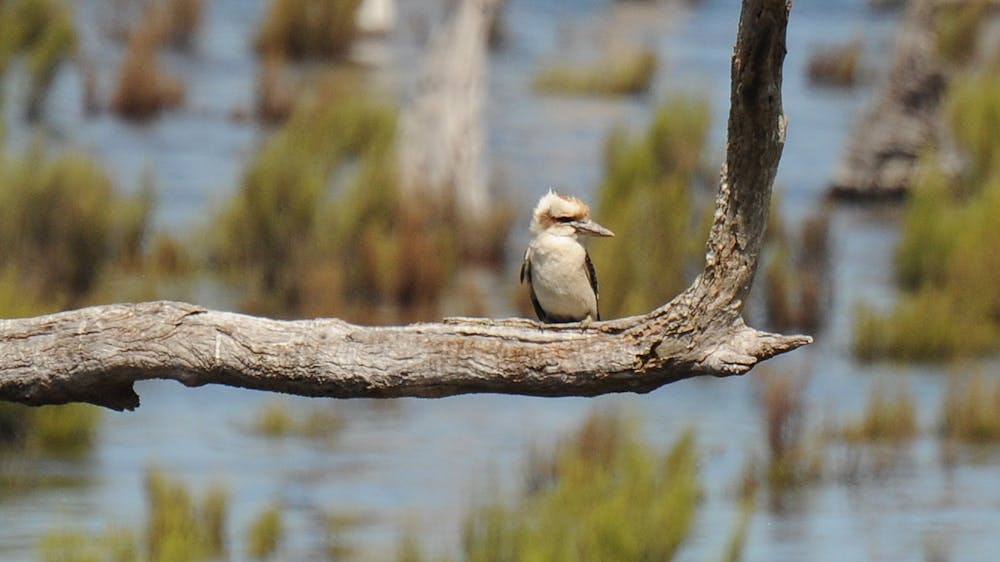
A laughing kookaburra keeps watch on the wetlands. Diana Padron/Flickr, CC BY-ND

From dispossession to decommissioning

The Yorta Yorta people were the original Aboriginal inhabitants of the area. They lost access to the land and water when European settlers took it for farming in the 1860s.

The farmers and the wetlands were displaced in 1970 when a 7.5 kilometre rock wall was built to form Lake Mokoan. The dam project allowed for local irrigation and created a drought reserve for the River Murray. This was broadly welcomed for the economic and recreational values it promised.

It worked for a while, but the resulting flooding killed around 150,000 iconic river red gums, including many Aboriginal scar trees.


AlsoRead...

Ryan: Building real freedom through e-commerce

Ryan: Building real freedom through e-commerce

27 November 2025
Design Australia Group: Redefining Drafting as the engine of housing growth

Design Australia Group: Redefining Drafting as the engine of housing growth

26 November 2025
River red gum trees died following inundation after the dam was built. Max Finlayson, Author provided

The dam was dried out for downstream supplies in the 1982 drought. Then the 1990s brought massive blue-green algal blooms.

The frequent blooms made it hard to use the water. The Victorian government needed to find water savings for water projects elsewhere and in 2004 decided to remove the dam.

It was a controversial move, opposed by many in the community, including those who lived around the lake, or used the water for recreation or irrigation. But in 2009 a gap was cut through the wall and the water drained.
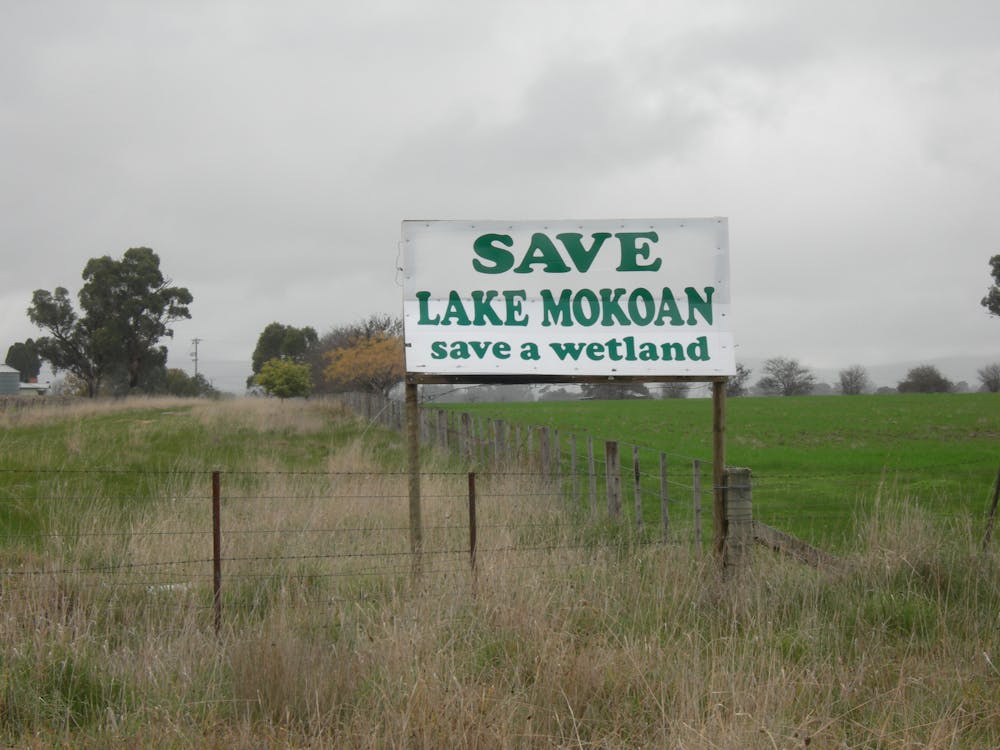
Local opposition to the decommissioning of the dam. Max Finlayson, Author provided

Restoration of the wetlands

After the dam was decommissioned, it was clear the site had undergone significant ecological and social change. So the government was keen to establish a world-class wetland with close links to nearby communities.

In 2009 an independent, community-based committee of management was formed to renew the site.

The scale of the renewal is significant, covering 8,750 hectares. It’s the first site outside the US to be classed as a Wetland of Distinction by the Society of Wetland Scientists, a leading global voice for wetland science and management.

Importantly, local Indigenous people are actively involved in the project, which recognises Indigenous cultural heritage sites throughout the wetlands.

This runs alongside efforts to document and share the history of the European settlers. The committee recognises that people in the wetlands have more than once moved from occupation to dispossession.

Winton Wetlands aerial views – December 2011.

The ecological renewal is built around specific management actions to establish self-sustaining populations of native fish, waterbirds and other fauna, and aquatic plants. It’s also improving the water quality and reducing the populations of feral animals and weeds.

Native plants returned to the site include the river red gum and cane grass.

Native fish are breeding, as is the majestic white-bellied sea eagle. A rakali (Australia’s answer to otters) and sugar gliders have been sighted.

An advisory panel is guiding the science behind the project. It’s supported by research partnerships with universities and an annual science forum, designed as an information exchange between the committee and the wider community.

A cafe and visitors hub are now regularly used for events. People visit the wetlands for walks, bike rides, canoeing, stargazing and birdwatching.

There are 60km of roads, nine bush walks, 30km of cycling trails and artworks celebrating the landscape and its history.

The decommissioning of the dam was not well received by some in the community at first. The restoration project is working hard to repair the connection of people to the site through ecological renewal, art and recreational events.

New trees planted as part of the Winton Wetland revegetation during dry periods. Lance Lloyd, Author provided

If you restore it, they will come

The success of the Winton Wetlands project in involving the community is reflected in increasing visitor numbers to the site. These have grown from 36,264 in 2016-17 to 65,287 in 2018-19.

In addition, the numbers of schoolchildren who visit the site for guided nature excursions has increased from 274 in 2016-17 to 2,013 in 2018-19.

Volunteers are also playing a role with some 4,114 hours of effort in 2018-19 operating the information desk, taking guided walks, organising planting days and other restoration activities. Volunteers support the science work in various ways including long-term monitoring of frog calls.

The management committee is determined to rebuild the ecological integrity of the wetlands. But there is a lot still to do, and there are differences of opinion over the priorities and the speed at which things are being done.

The initial funding of A$17 million from the Victorian government will soon be exhausted. Other financial avenues are being pursued. This is necessary to secure a future for this bright spot – a gem of inestimable value – in the Murray-Darling Basin.
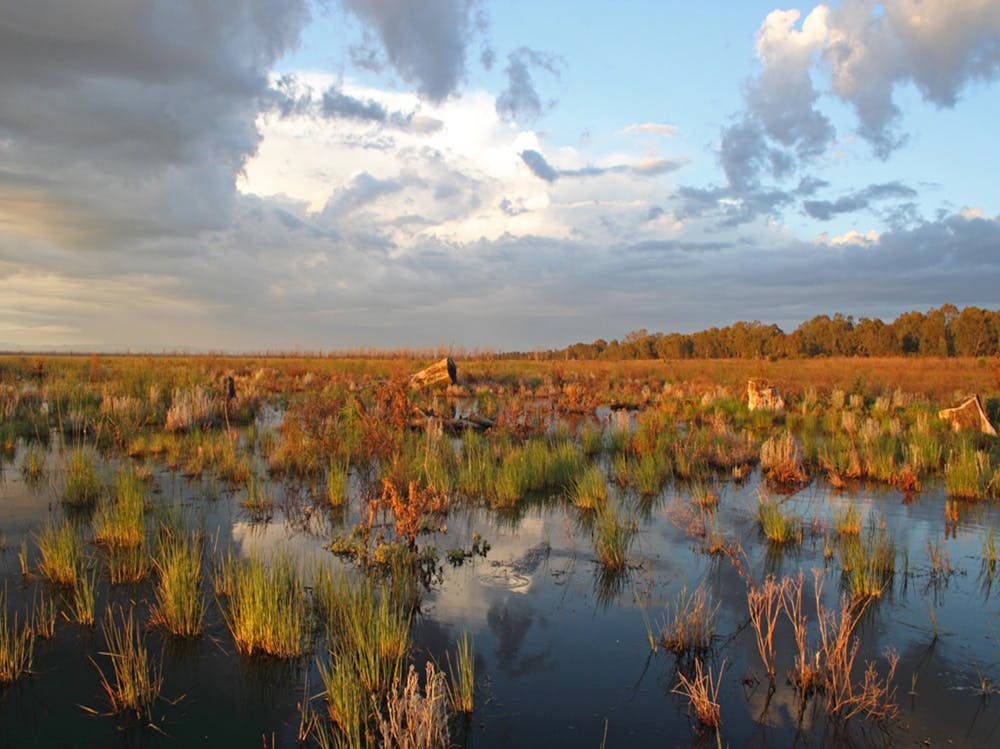
The Winton Wetlands represent a bright spot for social-ecological restoration and renewal in the Murray-Darling Basin. Lance Lloyd, Author provided

Max Finlayson, Adjunct Professor, Charles Sturt University and Lance Lloyd, Honorary Research Fellow, Federation University Australia

This article is republished from The Conversation under a Creative Commons license. Read the original article.


Tags: SB001
DMCA.com Protection Status

SUBSCRIBE to our NEWSLETTER

[mc4wp_form id=”2384248″]

Don't Miss

Risk Awareness for International Travellers – What Australians Should Know Before Entering Multi-State Regions

by Fazila Olla-Logday
10 December 2025
Schengen
Travel

This guide helps Australian travellers understand cross-border requirements, assess political and environmental risks, manage health and safety considerations, and prepare...

Read moreDetails

The evolution of Aesthetic Surgery through the lens of Dr Kourosh Tavakoli

by Pauline Torongo
4 December 2025
The evolution of Aesthetic Surgery through the lens of Dr. Kourosh Tavakoli
Health & Wellness

As global interest in Australian cosmetic surgery continues to grow, the combination of regulation, research and emerging digital tools is...

Read moreDetails

Ryan: Building real freedom through e-commerce

by Pauline Torongo
27 November 2025
Ryan: Building real freedom through e-commerce
Business & Finance

Ryan’s greatest achievement isn’t any single business or revenue milestone — it’s the ecosystem he’s built through the Change community.

Read moreDetails

Design Australia Group: Redefining Drafting as the engine of housing growth

by Pauline Torongo
26 November 2025
Design Australia Group: Redefining Drafting as the engine of housing growth
Business & Finance

Australia is under pressure to build homes faster, but design bottlenecks slow progress. Design Australia Group is fixing this by...

Read moreDetails

Louis Guy Detata builds Global Trading Empires through autonomous systems and disciplined leadership

by Pauline Torongo
25 November 2025
Louis Guy Detata builds Global Trading Empires through autonomous systems and disciplined leadership
Business & Finance

The path from investment banking to leading a global trading platform has taught Louis Detata that sustainable success requires more...

Read moreDetails

Burning Eucalyptus Wood: Tips, Advantages, Disadvantages & Alternatives

by Fazila Olla-Logday
20 November 2025
Image Supplied
Enviroment

Learn about burning eucalyptus wood for stoves and fireplaces. Discover benefits, drawbacks, harvesting tips, and better alternative firewood options for...

Read moreDetails

Everything Parents Need to Know About Baby Soft Play and Why It’s a Game Changer

by Fazila Olla-Logday
11 November 2025
Everything Parents Need to Know About Baby Soft Play
Health & Wellness

Baby soft play is a fun, safe, and educational way for little ones to explore and grow. Discover the benefits...

Read moreDetails
Load More

Copyright © Blue Sky Publications Ltd. All Rights Reserved.
australiantimes.co.uk is a division of Blue Sky Publications Ltd. Reproduction without permission prohibited. DMCA.com Protection Status

  • About us
  • Write for Us
  • Advertise
  • Contact us
  • T&Cs, Privacy and GDPR
No Result
View All Result
  • News
    • Weather
    • Sport
    • Technology
    • Business & Finance
      • Currency Zone
    • Lotto Results
      • The Lott
  • Lifestyle
    • Entertainment
    • Horoscopes
    • Health & Wellness
    • Recipes
  • Travel
  • Expat Life
  • Move to Australia

Copyright © Blue Sky Publications Ltd. All Rights Reserved.
australiantimes.co.uk is a division of Blue Sky Publications Ltd. Reproduction without permission prohibited. DMCA.com Protection Status

No Result
View All Result
  • News
    • Weather
    • Sport
    • Technology
    • Business & Finance
      • Currency Zone
    • Lotto Results
      • The Lott
  • Lifestyle
    • Entertainment
    • Horoscopes
    • Health & Wellness
    • Recipes
  • Travel
  • Expat Life
  • Move to Australia

Copyright © Blue Sky Publications Ltd. All Rights Reserved.
australiantimes.co.uk is a division of Blue Sky Publications Ltd. Reproduction without permission prohibited. DMCA.com Protection Status